
Therapy for anxiety disorders and PTSD
Evidence-based CBT to help you understand anxiety, overcome unhelpful patterns, and regain confidence in your daily life
Understanding Anxiety Disorders and PTSD
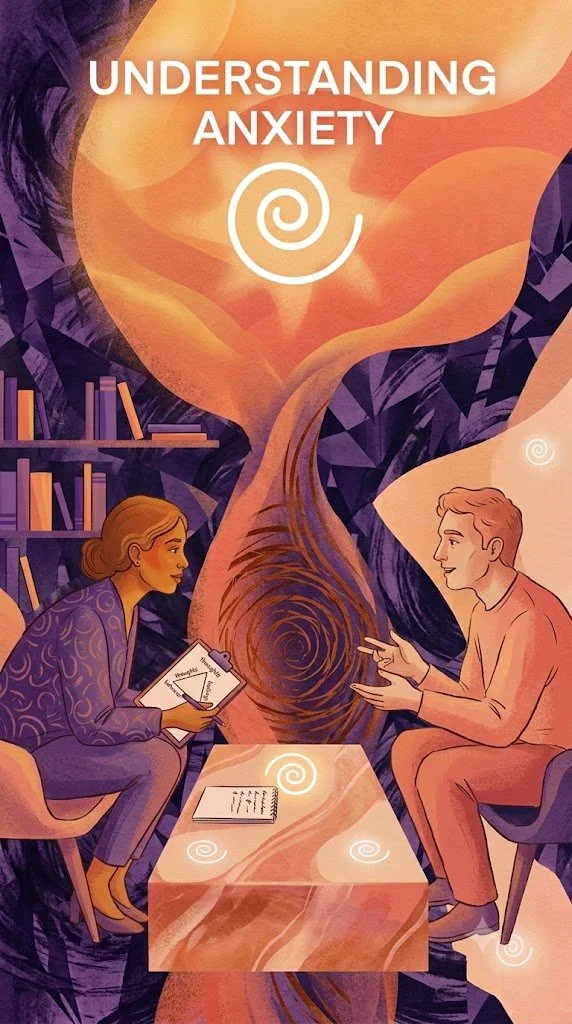
Anxiety is a natural human response to perceived threat or uncertainty. It becomes a difficulty when it is frequent, intense, or begins to interfere with day-to-day life, relationships, or wellbeing.
Anxiety disorders are among the most common mental health difficulties, and they can take many different forms. While experiences vary from person to person, they often involve a pattern of heightened worry, physical tension, and a tendency to anticipate or avoid perceived danger.
Anxiety can present in several ways, including:
Generalised Anxiety – persistent and excessive worry about a range of everyday situations
Panic Disorder – sudden and intense episodes of fear or physical symptoms such as racing heart, breathlessness, or dizziness
Social Anxiety – fear of judgment or embarrassment in social or performance situations
Health Anxiety – preoccupation with having or developing a serious illness
Specific Phobias – intense fear of particular objects or situations
OCD (Obsessive Compulsive Disorder) – intrusive thoughts and urges that lead to anxiety-driven compulsions or mental rituals
Although these difficulties are often described as separate conditions, in practice they frequently overlap, and many people experience features of more than one.
Types of Anxiety Difficulties

PTSD and Trauma-Related Difficulties
From a CBT perspective, anxiety and PTSD symptoms are often maintained by understandable coping strategies, such as:
Avoiding situations, memories, or sensations linked to fear or trauma
Seeking reassurance or safety behaviours to reduce distress in the short term
Monitoring thoughts, bodily sensations, or the environment for threat
Trying to suppress or control intrusive thoughts and memories
Although these responses can bring temporary relief, they often keep the cycle of anxiety or trauma-related distress going.
If you are looking for CBT for anxiety, OCD therapy, or PTSD treatment, I offer structured, evidence-based therapy tailored to your needs.
Sessions are collaborative, paced, and focused on helping you build confidence in responding differently to anxiety, intrusive thoughts, and traumatic memories.
If you would like to explore therapy, you are welcome to get in touch.
PTSD can develop after experiencing or witnessing a traumatic event. This may include, for example, accidents, abuse, medical trauma, or other overwhelming life experiences.
Common PTSD symptoms include:
Intrusive memories, flashbacks, or nightmares
Avoidance of reminders of the trauma
Feeling constantly on edge or “on alert”
Changes in mood, including anxiety, irritability, or emotional numbing
Some people also experience related difficulties such as hypervigilance, sleep problems, or difficulties feeling safe even in everyday environments.
How can CBT help?
Getting started
You do not need to be certain about a diagnosis before getting in touch.
Many people come to therapy because they recognise aspects of anxiety, PTSD or OCD in their experience and want to understand it more clearly.
If it feels helpful, the next step is usually an initial consultation, where we can look at what is happening for you and whether this approach feels appropriate.
From there, we decide together how to proceed.